- Home
- Sightseeing
- History
- Shopping
- Sports and Outdoor
- Relaxing
- Eating Out
- Music
- Nightlife
- Practical Information
Here is some practical information about Cambridge and information on what to excpect during your stay.
-
Population
131,465
-
Time Zone
GMT
-
Languages
English
-
Climate
Total Annual Rainfall
650mm (25 inches)
Average Winter Temperature
just below 6°C
Average Summer Temperature
20°C- 30°C
Average Spring and Autumn
11° - 15°C
-
What to Pack
Spring and Autumn
Light Jackets and Cardigans
Summer
Shorts, T-shirts, sun block
Winter
Warm clothes including a thick coat or jacket
Boots and rain-proof gear.
Umbrella
-
Electricity
240V 50HzHz
Electric Plug Details
British-style plug with two flat blades and one flat grounding blade
-
Religion
Church of England, Catholic, Methodist, Muslim, Jewish, Sikh and Hindu.
-
Money
Cambridge has all of the major high street banks: Barclays, Lloyds TSB, HSBC, NatWest, Bank of Scotland and others. There are no exchange controls in Britain, so you can bring in as much cash as you like and change travellers' cheques up to any amount.
Currency
Pound sterling (£)
Banks
- 9.30am – 5.30pm from Monday to Friday
- 9.30am – 4pm on Saturday
Exchange Bureau
Some of the best places to change money are located just next to the school; look out for the banks on Market Square.
Try to avoid changing money or cheques in hotels, where the rates are normally the poorest on offer.
There are no exchange controls in Britain, so you can bring in as much cash as you like and change travellers' cheques up to any amount.
Credit cards are accepted virtually everywhere, they can be used either in ATMs or over the counter.
Mastercard, Visa, American Express and Diners Club are accepted in most shops, restaurants and hotels in Brighton, although they're less useful in rural areas, and some smaller shops may accept cash only.
You may also be able to make withdrawals using your debit card – your bank's international banking department should be able to advise on this.
When paying by credit card many shops ask you to enter your personal identification number (PIN) when making a payment.
You'll find ATMs at most large supermarkets, train stations, some petrol stations and even in some pubs and shops.

-
Cost of Living
Food and Snacks
Big Mac - £3.50; €4.87
Cappuccino - from £1.55; €2.29
Newspapers and Entertainment
Local Newspaper £0.20 - £1.20 depending on day of the week.
Cinema ticket - £4; ; €5.92
Theatre ticket - between £10-£15; €15-22
These are average UK prices and are intended as an indicator only. Prices may vary across the UK. Based on exchange rate of GBP 1 = Euro 1.48.
-
Transport
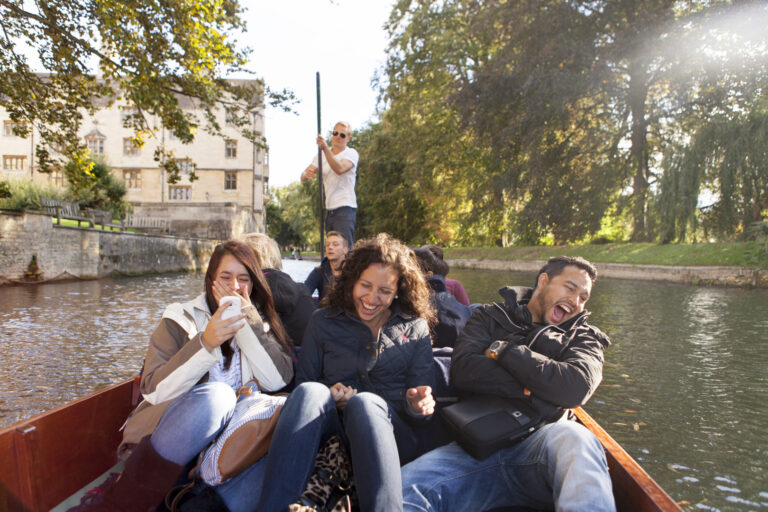
Punting on the River Cam £2/€3;(self-hire); £5.00+ / €7.50 (guided tour)
Bicycle rental a day - £8.00; €11.84
For more information and advice on what to do on arrival, visit the arrivals page.
-
Visas
See our section on visas
-
Shop Hours
From Monday to Saturday - 9am – 5.30 pm (However, most shops are open until 8pm on Thursday)(However, most shops are open until 8pm on Thursday)
Sunday -12pm – 5pm
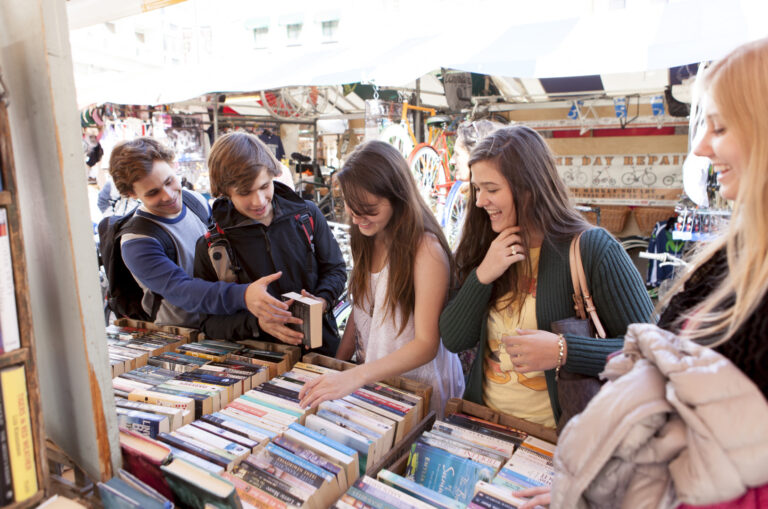
There is a daily open-air fruit and vegetable market in Market Square, in the centre of the city and right next to EC Cambridge. On Sundays, this becomes a traditional craft market.
There are two supermarkets in the city centre, one of which is on the same square as the school. Others can be found in and around the rest of the city.
Don’t forget, the market in front of the school is also one of the best and cheapest places to buy food and drinks!
-
Health
We can arrange for students to see a doctor near the school, or if the student is too ill to come in, then a visit would be arranged through the host family/residence.
There may be a charge especially for non-EU students.
We strongly recommend that all students take out medical insurance in their country of origin. This should include provision for any dental emergencies as dentists are very expensive in the UK.
You can book insurance through EC.
-
Water
Tap wateris safe to drink
-
Vaccinations
Not required
-
Telephones and Mobile Phones
Country Dialing Code
+44
Useful Numbers
- 999 – Emergency Services (police, fire, ambulance)
- 100 – Operator (for help with calls locally, nationally and to the Republic of Ireland)
- 155 – International Operator (for help with international calls or calls to a ship)
- 118 500 – Directory Enquiries (can supply phone numbers for individuals and businesses in Britain if given name and location)
- 118 505 – International Directory Enquiries (as above but for overseas individuals/businesses)
- Police and Traffic Wardens: (01223) 358966
- National Rail Enquiries: 08457 48 49 50
- Tourist Information Centre: (01223) 322640
- Traveline (National Public Transport Information): 0870 608 2 608
Telephone Cards
The simplest and cheapest way for students to call home is by telephone card. These can be bought either from the school’s administration office or from most newsagents and other shops throughout Cambridge. These cards can be used to make local and international phone calls from various telephone booths.
Mobile Phones
The UK is GSM compatible The UK uses a GSM (or 2G) and UMTS (or 3G) mobile phone system.
The cheapest way to phone home on your mobile is to buy a UK SIM card.

-
Public Holidays
Please note that EC does not offer tuition on public holidays should one fall during your booked course dates. There are eight public holidays called bank holidays in the UK. On bank holidays most offices, banks, schools and a lot of shops are closed.
Public holidays observed in London are:
1st January - New Year’s Day
Good Friday: Friday before the UK Easter (March or April date varies)
Easter Monday: Monday after Easter (March or April date varies)
May Day bank holiday: first Monday in May
Spring bank holiday: last Monday in May
Summer bank holiday: last Monday in August
25th December - Christmas Day
26th December - Boxing Day
Christmas Closing Dates 2008: The last day of school is 19 December 2008. Centres re-open on 5 January 2009.
-
Safety
Cambridge is not a dangerous city but it is always wise to ensure that you take sensible precautions to ensure your personal safety and that of your belongings.
DO
- keep all your personal belongings with you at all times, particularly in public places such as bars, restaurants and public tranport
Don't
- take passports, flight tickets and large sums of money with you when you go out, especially in the evening.
- leave such items unattended.